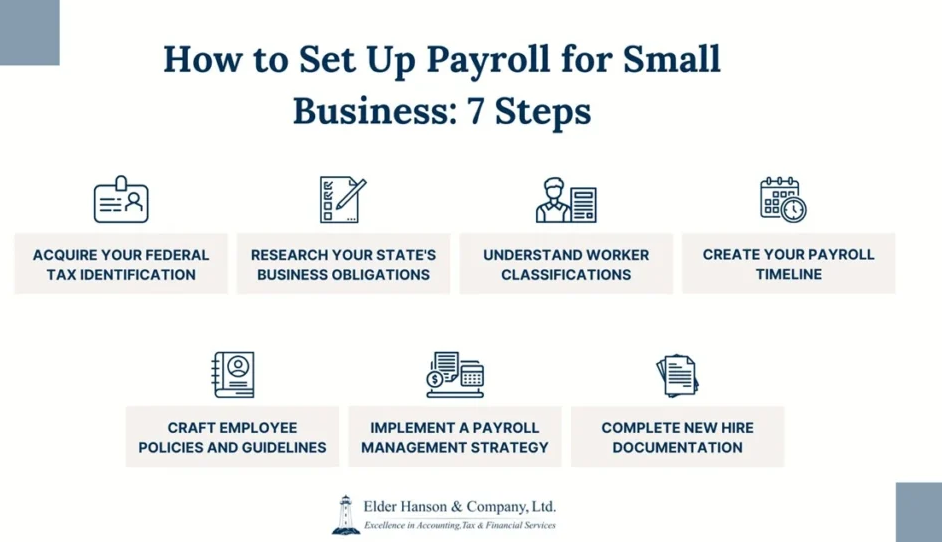
Hey there! Are you a small business owner looking for ways to make your payroll process more efficient and less time-consuming? Streamlining payroll for small businesses can be a game-changer when it comes to saving time and money. By implementing the right tools and strategies, you can simplify the payroll process and ensure that your employees are paid accurately and on time. Let’s explore some tips and tricks for streamlining payroll and making your life easier as a small business owner.
Importance of Accurate Payroll in Small Business
When it comes to running a small business, accurate payroll management is crucial for several reasons. Payroll is more than just paying your employees on time; it involves tax compliance, record keeping, and overall financial stability. Inaccuracies in payroll can lead to serious consequences, such as legal issues, financial penalties, and unhappy employees. Therefore, it is essential for small businesses to prioritize accurate payroll processing to ensure smooth operations.
One of the main reasons why accurate payroll is important for small businesses is compliance with labor laws and regulations. Small businesses are often subject to federal, state, and local regulations regarding minimum wage, overtime pay, and tax withholding. Failure to comply with these regulations can result in costly fines and legal trouble. By maintaining accurate payroll records and calculations, small businesses can avoid these pitfalls and ensure they are operating within the bounds of the law.
Additionally, accurate payroll is essential for maintaining employee trust and morale. Employees rely on their paychecks to cover their expenses and support their families. Any errors in payroll, such as underpayments or delays, can damage the relationship between employer and employee. This can lead to decreased productivity, increased turnover, and a negative reputation for the business. By consistently providing accurate and timely pay, small businesses can build trust with their employees and create a positive work environment.
Another important aspect of accurate payroll for small businesses is financial stability. Payroll is often one of the largest expenses for small businesses, and inaccuracies can have a ripple effect on the company’s overall finances. Overpaying employees, failing to deduct taxes correctly, or miscalculating benefits can all lead to financial strain for the business. By keeping payroll accurate and up-to-date, small businesses can better track their expenses, budget effectively, and make informed financial decisions moving forward.
Accurate payroll also plays a role in overall business efficiency. Manual payroll processes can be time-consuming and prone to errors, taking valuable time away from other important tasks. By investing in automated payroll systems or outsourcing payroll services, small businesses can streamline their payroll processes and free up time for growth and development. This can lead to increased productivity, improved compliance, and ultimately, greater success for the business.
In conclusion, accurate payroll is a critical component of small business operations. By prioritizing accuracy in payroll processing, small businesses can ensure compliance with regulations, maintain employee trust, achieve financial stability, and enhance overall efficiency. Investing in accurate payroll management is not only a legal necessity but also a strategic business decision that can contribute to long-term success and growth.
Payroll Processing Options for Small Businesses
When it comes to managing payroll for small businesses, there are several options available to streamline the process and ensure accurate and timely payments to employees. Each option has its own set of benefits and considerations, so it’s important to choose the one that best fits your business’s needs and budget.
1. Manual Payroll Processing:
One option for small businesses is to handle payroll processing manually. This involves calculating employee wages, deductions, and taxes by hand or using basic spreadsheets. While this method may be cost-effective, it can also be time-consuming and prone to errors. Small businesses that choose this option will need to stay up-to-date on tax laws and regulations to ensure compliance with federal and state requirements.
2. Payroll Software:
Another popular option for small businesses is to use payroll software. Payroll software automates the payroll process by calculating wages, deductions, and taxes, and generating pay stubs and tax forms. Many payroll software options also offer features such as direct deposit, electronic tax filing, and time tracking integration. This can help small businesses save time and reduce the risk of errors associated with manual processing.
When choosing payroll software for your small business, it’s important to consider factors such as cost, ease of use, customer support, and scalability. Some payroll software options are designed specifically for small businesses and offer pricing plans that cater to their needs. Look for software that is user-friendly, customizable, and compliant with tax laws to ensure a seamless payroll processing experience.
3. Outsourcing Payroll:
For small businesses that prefer to focus on core operations rather than payroll processing, outsourcing payroll to a third-party provider is a viable option. Outsourcing payroll eliminates the need for in-house payroll staff and allows small business owners to have peace of mind knowing that payroll is being handled by experts. Outsourcing payroll can also help small businesses save time and reduce costly errors associated with manual processing.
When choosing a payroll outsourcing provider, it’s important to consider factors such as cost, reputation, security, and customer service. Look for a provider that offers customizable services, secure data storage, and compliance with tax laws to ensure that your payroll processing is accurate and reliable. Outsourcing payroll can be a cost-effective solution for small businesses that want to streamline their operations and focus on growth and expansion.
Overall, small businesses have several options available for payroll processing, each with its own set of benefits and considerations. Whether you choose to handle payroll manually, use payroll software, or outsource payroll to a third-party provider, finding the right solution for your business can help ensure accurate and timely payments to your employees while saving time and reducing errors.
Calculating Employee Salaries and Benefits
When it comes to running a small business, managing payroll is a crucial task that requires attention to detail. One of the key aspects of this process is calculating employee salaries and benefits accurately. This involves considering several factors such as base pay, overtime, bonuses, and benefits.
First and foremost, it is essential to determine the base pay for each employee. This is typically the fixed amount of money that an employee earns for their work on a regular basis, whether it be hourly, weekly, or monthly. To calculate the total base pay for an employee, you simply multiply their hourly rate by the number of hours worked in a pay period. For salaried employees, you would divide their annual salary by the number of pay periods in a year.
In addition to base pay, many employees are also entitled to overtime pay for any hours worked beyond the standard workweek. In the United States, the Fair Labor Standards Act (FLSA) requires that non-exempt employees be paid at least one and a half times their regular rate of pay for any hours worked over 40 in a workweek. Calculating overtime pay involves multiplying the employee’s hourly rate by 1.5 and then by the number of overtime hours worked.
Bonuses are another form of compensation that must be considered when calculating employee salaries. These can include performance bonuses, sales commissions, or profit-sharing bonuses. When determining bonuses, it is important to establish clear criteria for eligibility and the method of calculation. For instance, a performance bonus may be based on meeting specific goals or targets set by the employer.
Aside from salary and bonuses, many companies also offer employee benefits such as health insurance, retirement plans, and paid time off. Calculating the cost of these benefits is essential for accurately budgeting payroll expenses. For instance, health insurance premiums may be deducted from employees’ paychecks, while retirement contributions are often matched by the employer up to a certain percentage.
In conclusion, calculating employee salaries and benefits is a crucial aspect of managing payroll for a small business. By considering factors such as base pay, overtime, bonuses, and benefits, employers can ensure that their employees are fairly compensated for their work. It is important to stay informed about labor laws and regulations to ensure compliance and avoid any potential issues with payroll. With careful planning and attention to detail, small businesses can effectively manage their payroll and support their employees’ financial well-being.
Tax Compliance in Small Business Payroll
Ensuring tax compliance in small business payroll is crucial to avoid penalties and fines from the government. Small businesses must withhold the correct amount of taxes from employee paychecks and accurately report this information to the appropriate authorities. This process can be complex and time-consuming, but it is essential for the financial health of the business.
One key aspect of tax compliance in small business payroll is determining which taxes need to be withheld from employee paychecks. This typically includes federal income tax, Social Security tax, Medicare tax, and state income tax (if applicable). The amount of taxes withheld will depend on factors such as the employee’s filing status, number of allowances claimed, and any additional income such as bonuses or commissions.
Another important consideration for small businesses is making timely and accurate tax deposits. Employers are required to deposit federal income tax, Social Security tax, and Medicare tax on a regular basis, typically either monthly or semi-weekly. Failing to make these deposits on time can result in hefty penalties and interest charges.
In addition to withholding and depositing taxes, small businesses must also file various tax forms with the IRS and state tax agencies. These forms include Form 941, Employer’s Quarterly Federal Tax Return, which reports the amount of taxes withheld from employee paychecks and paid by the employer, as well as Form 940, Employer’s Annual Federal Unemployment (FUTA) Tax Return, which reports the amount of FUTA tax owed by the employer.
It is important for small businesses to stay up-to-date on changes to tax laws and regulations that may impact their payroll processes. This can be challenging, as tax laws are constantly evolving, but failure to comply with these changes can result in costly penalties and fines. Small businesses may consider working with a tax professional or payroll service provider to ensure they are in compliance with all tax laws and regulations.
Overall, tax compliance in small business payroll is a critical aspect of running a successful and legal operation. By understanding and adhering to tax laws and regulations, small businesses can avoid costly penalties and fines, as well as build a reputation as a responsible and trustworthy employer.
Outsourcing Payroll Services for Small Businesses
Outsourcing payroll services for small businesses can be a smart decision for various reasons. Small businesses often have limited resources and personnel, making it difficult to handle payroll responsibilities in-house. By outsourcing payroll services, small businesses can save time, money, and stress, allowing them to focus on other important aspects of running their business.
One of the biggest advantages of outsourcing payroll services for small businesses is the cost savings. Hiring an in-house payroll specialist can be expensive, especially for small businesses with tight budgets. By outsourcing payroll services, small businesses can avoid the costs associated with hiring and training new employees, purchasing payroll software, and maintaining payroll systems.
Another advantage of outsourcing payroll services for small businesses is the reduction of errors and compliance risks. Payroll processing can be complex and time-consuming, and mistakes can result in costly penalties and fines. Outsourcing payroll services to a professional provider can help small businesses avoid these risks by ensuring accuracy and compliance with tax laws and regulations.
Outsourcing payroll services also allows small businesses to access expert knowledge and support. Professional payroll providers have a team of experienced payroll specialists who are trained to handle payroll tasks efficiently and accurately. Small businesses can benefit from this expertise by outsourcing payroll services, receiving guidance and support from knowledgeable professionals.
Additionally, outsourcing payroll services can improve efficiency and productivity for small businesses. By freeing up time and resources that would otherwise be spent on payroll processing, small businesses can focus on core business activities and strategic initiatives. This can lead to increased productivity, profitability, and growth for small businesses.
Furthermore, outsourcing payroll services can provide small businesses with peace of mind. Payroll processing is a critical function that requires attention to detail and accuracy. By outsourcing payroll services to a reliable provider, small businesses can rest assured that their payroll tasks are being handled professionally and efficiently, allowing them to focus on running their business without worrying about payroll issues.
Originally posted 2025-09-26 14:35:52.